

The end of the year presents an opportune time to reflect on performance and set clear goals for the year ahead. Setting goals is important because it aligns management and teams around a shared direction, ensuring everyone focuses their efforts on the same priorities and works together toward a common outcome.
A commonly used framework for setting goals, SMART goals provide a simple, structured way to turn broad intentions into clear, actionable, and measurable targets.
What Are SMART Goals
The SMART framework breaks a goal into five essential elements:
- Specific goals to help everyone understands exactly what is being targeted
- Measurable goals to track progress and success objectively
- Achievable goals that stretch the team without becoming unrealistic
- Relevant goals where efforts directly support the company’s broader priorities; and
- Time-bound goals with a clear deadline that creates focus and urgency.
Together, these elements help teams stay aligned, motivated, and accountable while turning strategy into practical action.
Specific: Define Exactly What You Want to Achieve
A goal must clearly state what you want to improve and where the focus lies.
Vague goal:
“Improve operations.”
Specific goal:
“Reduce job delays in our maintenance operations.”
Specific goals remove ambiguity. When everyone understands what success looks like, teams don’t waste energy interpreting intent—they focus on action.
Ask yourself:
- What exactly are we trying to improve?
- Which process, department, or outcome does this apply to?
Measurable: Make Progress Visible
If progress cannot be measured, it cannot be managed.
Not measurable:
“Provide better service.”
Measurable:
“Reduce customer complaints related to delayed service by 20%.”
Measurement creates accountability and motivation. It allows leaders to spot issues early and make data-driven adjustments rather than relying on assumptions or gut feel.
Good measurable goals:
- Use numbers, percentages, or clear indicators
- Can be tracked regularly, not just at year-end
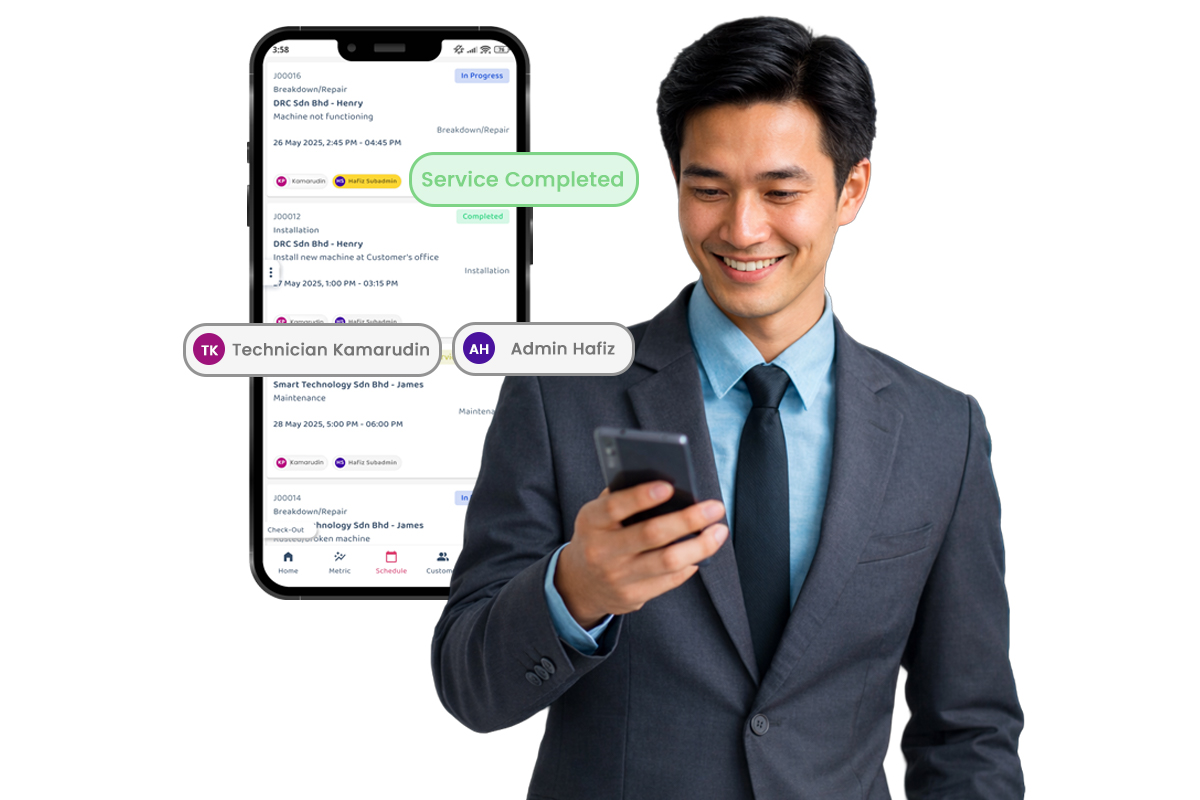
Caction, a field service management system that helps multi-site or multi-team operations streamline work processes, also helps companies set measurable goals by capturing data through everyday operational activities. They include job completion, SOP compliance, asset performance, and team productivity and providing insights, converting the data into clear, trackable metrics that define targets, monitor progress, and make success visible in real time.
Achievable: Stretch Without Breaking the Team
Ambition is important, but overly aggressive goals can discourage teams and lead to burnout. Achievable goals are realistic based on your current resources, capacity, and market environment.
This doesn’t mean setting low targets—it means choosing goals that stretch the team while remaining within reach.
Unrealistic:
“Double revenue in three months without additional staff or systems.”
Achievable:
“Increase monthly recurring revenue by 10% over the next quarter by improving renewal follow-ups.”
Achievable goals build confidence and momentum rather than frustration.
Relevant: Align Goals With Business Priorities
A goal may be specific, measurable, and achievable—but still wrong if it doesn’t support the company’s broader objectives.
Every goal should clearly answer: Why does this matter now?
For example, if your biggest challenge is customer churn, then improving internal reporting speed may not be the most relevant goal. Speeding up response time to customer issues might be.
Relevant goals:
- Support strategic priorities
- Solve real business pain points
- Create impact for customers, employees, or profitability
Time-Bound: Create Urgency and Focus
Without a clear timeline, goals lose focus and slowly lose momentum without meaningful progress.
Not time-bound:
“Improve technician productivity.”
Time-bound:
“Improve technician productivity by 15% within the next six months.”
Deadlines create urgency and help teams prioritise. They also allow leaders to schedule reviews, course-correct early, and celebrate progress along the way.
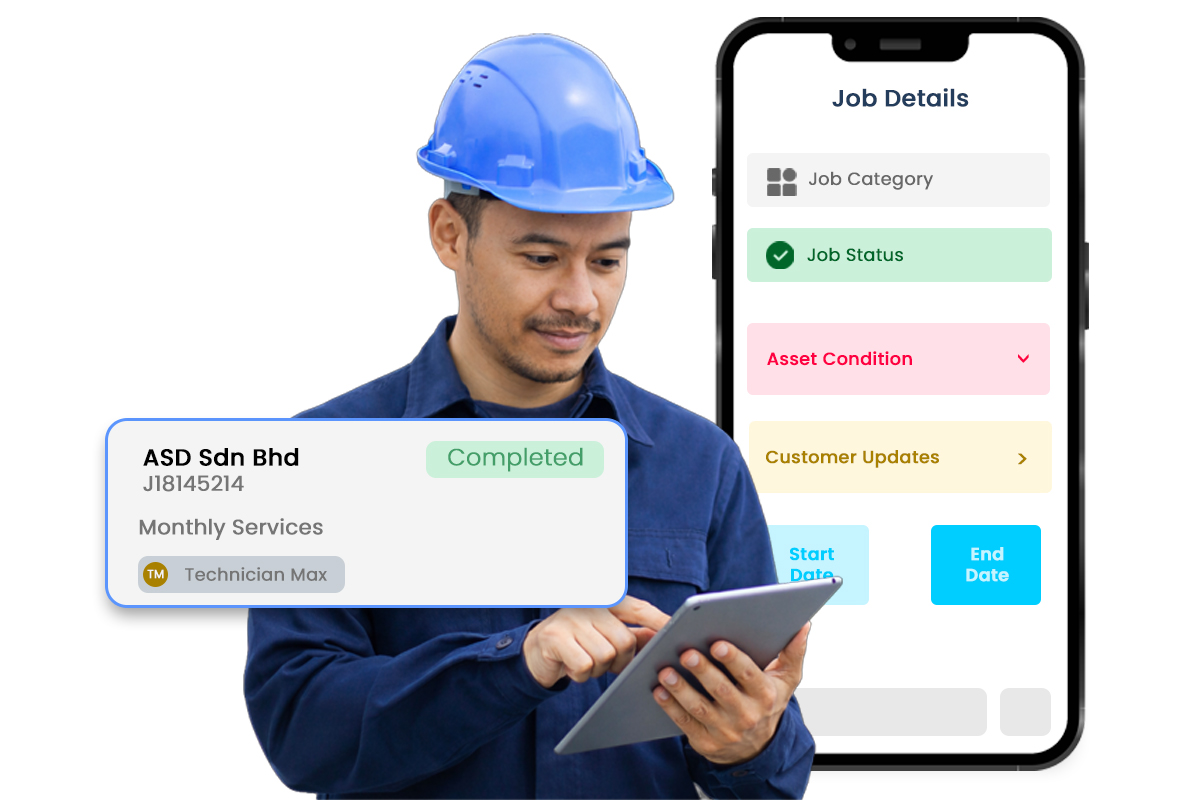
Having a field service management system like Caction helps companies track progress and measurable goals by turning everyday operational activities into real-time, usable data. By capturing job updates, digital SOP compliance, asset performance, and team activity in one platform, management gains clear visibility into what is on track and what needs attention.
With built-in dashboards and Microsoft Power BI analytics, Caction users can monitor key metrics, identify trends early, and make informed decisions instead of relying on manual reports or assumptions. This allows teams to stay aligned with their goals, take corrective action quickly, and consistently move towards measurable outcomes.


Leave a Reply