

We live in an age where data is the fuel that keeps businesses running. Every interaction with a customer, whether it’s a quick purchase at a café or a year-long contract negotiation, leaves behind valuable information. For companies, the question isn’t whether data matters—it’s how to manage it well.
But here’s the catch: the way sales CRM data is managed in a business-to-business (B2B) setting looks very different from a business-to-consumer (B2C) environment. Why and how do B2B and B2C companies use CRM data differently? One is built around deep, complex relationships with fewer clients; the other is all about scale, speed, and understanding the behavior of thousands or even millions of people.
Types Of Data
Think about a construction company that supplies equipment to factories. Their “customers” aren’t just individuals—they’re entire organizations. That means the company has to keep track of who the key decision-makers are, what contracts are in place, which projects are ongoing, and every discussion that has happened along the way. That’s B2B data.
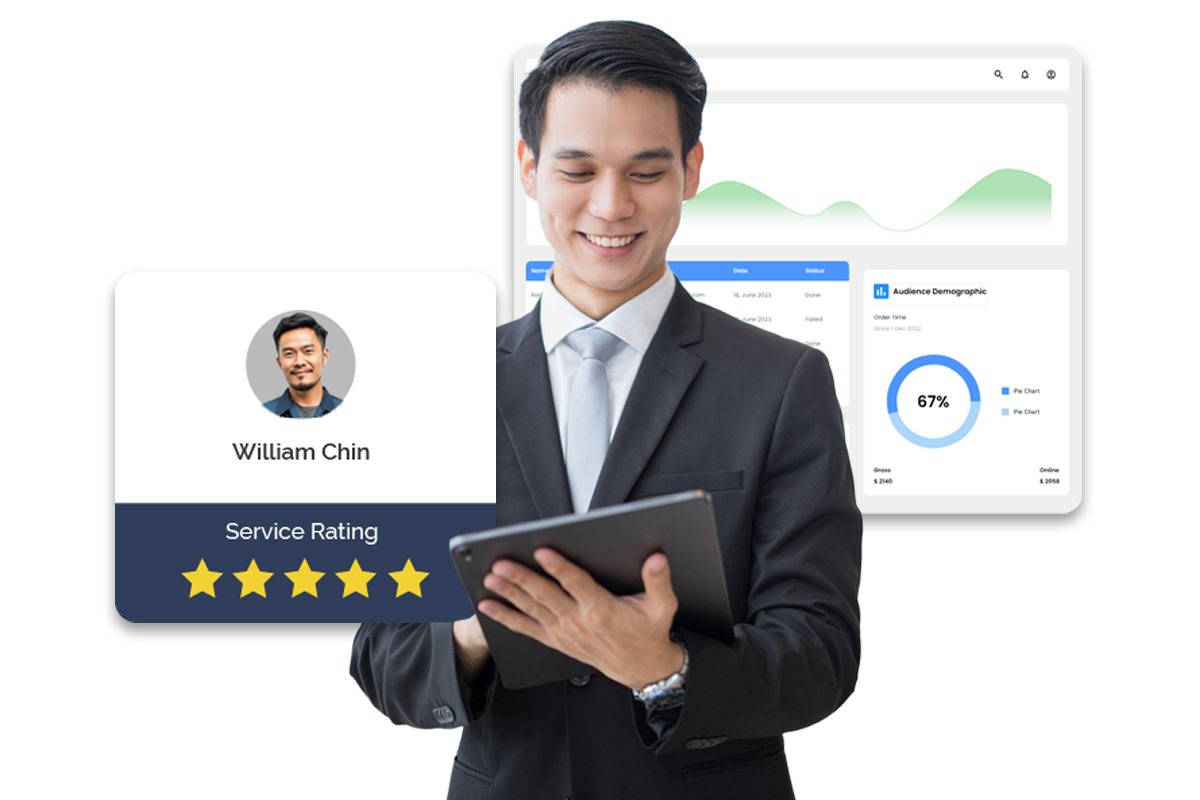
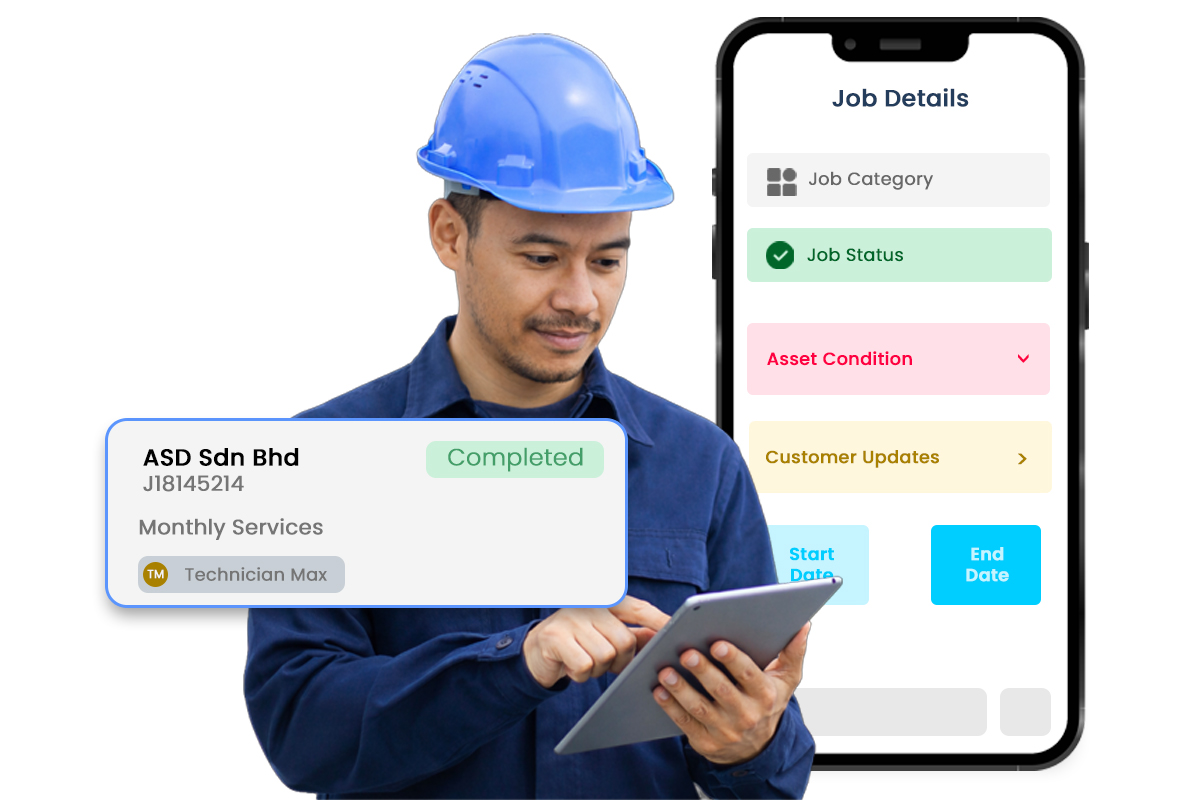
B2B data requires careful management—covering multiple stakeholders, extended deal journeys, service records, asset histories, and compliance. Built for B2B data, Caction organizes customer records, contracts, and asset histories—enabling seamless data management for smarter decisions.
Now compare that with a retail chain that sells coffee and pastries to thousands of people every day. Their data is less about organizational charts and more about individual preferences: who buys a latte every morning, who loves chocolate cake, and who hasn’t visited in weeks. That’s B2C data.
SaaS solutions can help companies store complex records for B2B firms—down to the last contract term—while also helping B2C businesses manage high volumes of daily customer activity.
Volume Vs Complexity
Here’s another way to picture it:
B2B data is like managing a few very large, complicated puzzles. You might only have 200 clients, but each one has dozens of pieces to fit together.
B2C data is like managing a sea of simpler puzzles. You may have 200,000 customers, but each one only leaves behind a few pieces.
Both are challenging in their own ways. For B2B, a single mistake in a contract can cost millions. For B2C, the challenge is speed—how do you process and act on huge amounts of data in real time?
Depending on your company, you can choose the SaaS solutions that suit your needs. For example, B2B companies would want to be able to confidently track contracts, service histories, and decision-maker details. On the other hand, B2C companies need to process transactions, monitor store performance, and get real-time updates without drowning in information.
The Tools Behind The Scenes
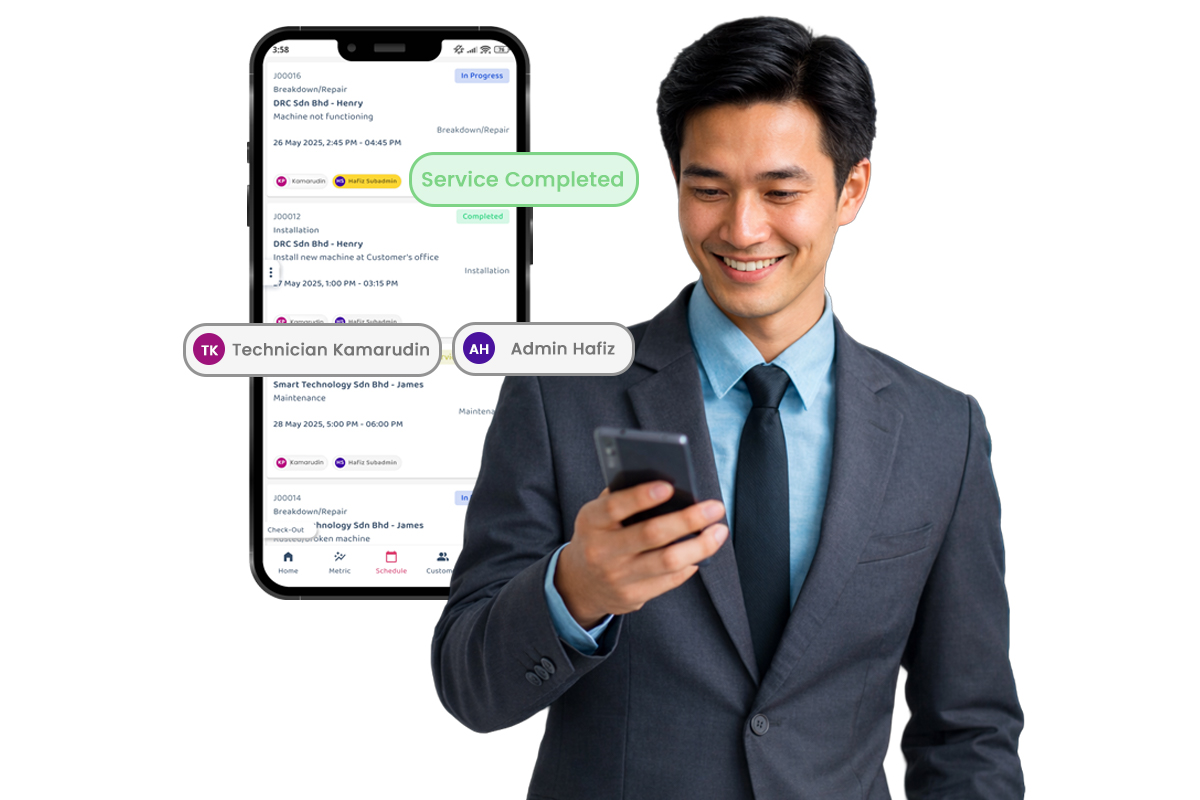
Most B2B companies rely on CRM systems to manage relationships and track sales pipelines. The focus is on understanding accounts deeply and nurturing them over time. For example, Caction gives users access to critical information anytime, anywhere. A salesperson on the go needs to be able to access a client’s history, their specific pain points, past conversations, and any relevant documents immediately.
A system provides this single source of truth, so a salesperson can be in a coffee shop, at a client’s office, or in their car and pull up exactly what they need to have an informed conversation and close the deal without having to call a colleague or wait until they’re back at their desk.
B2C businesses often lean on e-commerce platforms, loyalty apps, or Customer Data Platforms (CDPs). These tools pull together information from different channels—websites, social media, or even in-store activity—to build a “single view” of each customer.
Keeping Data Safe
Nobody likes to think about breaches, but data security is a top priority for both models. B2B companies guard sensitive contracts and intellectual property, while B2C companies focus on protecting personal details like names, emails, and payment information.
Businesses can address both concerns with built-in safeguards: controlled access, secure digital forms, and audit trails that help companies comply with standards like ISO or local regulatory requirements. It means businesses can focus on growth, not worry about whether their data is safe.
Personalization Matters
Personalization looks different in B2B and B2C, but it’s always powered by good data. A B2B manager might use data to prepare a customized proposal for a manufacturing client.
A B2C brand might use data to send a coffee-lover a coupon for their favorite drink.
In B2B, SaaS solutions help managers quickly pull up a client’s service history to anticipate needs. In B2C, retail outlets can see repeat purchase patterns and respond with better offers or service.
Comparing Different Ways B2B And B2C Companies Manage CRM Data
| B2B Companies | B2C Companies | |
| Types Of Data | Keep track of who the key decision-makers are, what contracts are in place, which projects are ongoing, and every discussion that has happened along the way. | Data is less about organizational charts and more about individual preferences: who buys a latte every morning, who loves chocolate cake, and who hasn’t visited in weeks. |
| Volume vs Complexity | Managing a few very large, complicated puzzles. You might only have 200 clients, but each one has dozens of pieces to fit together. | Managing a sea of simpler puzzles. You may have 200,000 customers, but each one only leaves behind a few pieces. |
| Tools To Use | Most B2B companies rely on CRMs to manage relationships and track sales pipelines. | B2C businesses often lean on e-commerce platforms, loyalty apps, or Customer Data Platforms (CDPs). |
| Keeping Data Safe | Guard sensitive contracts, intellectual properties, and billing details. | Focus on protecting personal details like names, emails, and payment information. |
| Personalization | Use data to anticipate customer needs such as preparing a customized proposal for a manufacturing client. | Use data to send a coffee-lover a coupon for their favorite drink or birthday discount. |
Bringing It All Together
At the end of the day, whether you’re serving 50 big clients or 50,000 individual customers, managing data well makes a difference. Remember, B2B success depends on depth and accuracy, while B2C success depends on speed and personalization.
If you’re looking for an affordable and customisable sales CRM system, Caction is a B2B SaaS platform that helps companies streamline operations, unlock real-time data, and build productive workplaces. Its solutions cover everything from job scheduling, check-ins, and digital forms to asset tracking, service history, and compliance reporting, giving businesses a single source of information. With AI-powered insights and customisable modules, Caction supports B2B companies in simplifying processes, improving collaboration, and driving growth across industries.

Leave a Reply