

Technology has become an integral part of our lives. For businesses, it’s vital for research, planning, analysis, communication, and management. As such, digitalisation and digital transformation are on the rise.
But did you know that digitalisation and digital transformation aren’t the same? Let’s explore what they are, the challenges you may face, and how to address them in your company.
Integrating Technology For Different Purposes
Many may wonder: Are digitalisation and digital transformation the same thing? Both yes and no. While both involve integrating digital technology, they serve distinct purposes.
Here’s an example and a comparison table: If a cafe starts scanning physical receipts into an electronic database, that’s digitalisation. But if the same cafe creates a website and has its staff place orders with a tablet, that’s digital transformation.

Challenges Of Digitalisation And Digital Transformation
Adopting digital technology isn’t always smooth sailing and is often filled with hurdles, like:
- Keeping up with market changes
Emerging technologies and evolving markets prompt businesses to adapt quickly to stay ahead. For example, the rise of remote work increased reliance on cloud-based collaboration tools.
- Getting the necessary tools, funds and guidance
Implementing digital solutions requires technology, training and manpower. Hence, companies must account for many investments. Among them are antiviruses, electronics, staff hiring, licenses, and ICT courses.
- Employee resistance and learning curve
Introducing new technology requires training. But not all employees adapt quickly, especially in remote work settings. Resistance often comes from digital illiteracy, unclear communications and the fear of being replaced.
- Cybersecurity risks and compliance issues
Adopting digital technologies can expose companies to data breaches and security threats. Moreover, some companies must adhere to industry regulations, such as General Data Protection Regulation (GDPR) and ISO 27001. If not done correctly, it could endanger the digital ecosystem.
How To Start Embracing Digital Technologies
Now that you understand the challenges, how do you successfully adopt digital solutions? The following are some steps you can take to get started.
Step 1: Identify your goals and the areas you want to improve
If you’re new to digital adoption, start with a specific goal, like reducing your time on administrative tasks by one hour. Then, identify urgent issues that severely impact you and your team. Only tackle other issues once you’re familiar with the process.
Step 2: Assess your current situation and available resources
The next crucial thing is knowing where your business and your team are at. Ask yourself:
- What are the business’s present strengths, weaknesses, opportunities and challenges?
- Is the company new to or familiar with the digital efforts?
- Do you have the resources, tools and expertise to help you adapt?
- How will this strategy impact the company and your team?
- Plan your strategies with your team
Digital adoption isn’t a one-person show, so rope your employees into the planning process. They can provide feedback, identify training needs and ensure company-wide alignment on changes.
Clearly explain how digital adoption benefits the entire team to show transparency and build trust. For example, business owners and managers can help employees embrace digital adoption by clearly showing how it reduces manual work, brings fairness and transparency, improves teamwork, and ultimately makes everyone’s daily jobs smoother, easier, and more rewarding. Most importantly, they can emphasise that digital tools are not about replacing people, but about supporting them so the team works smarter, avoids unnecessary stress, and achieves better results together.
Step 3: Select the right tools and expertise
The right digital tools must fit your business needs and budget. Options include:
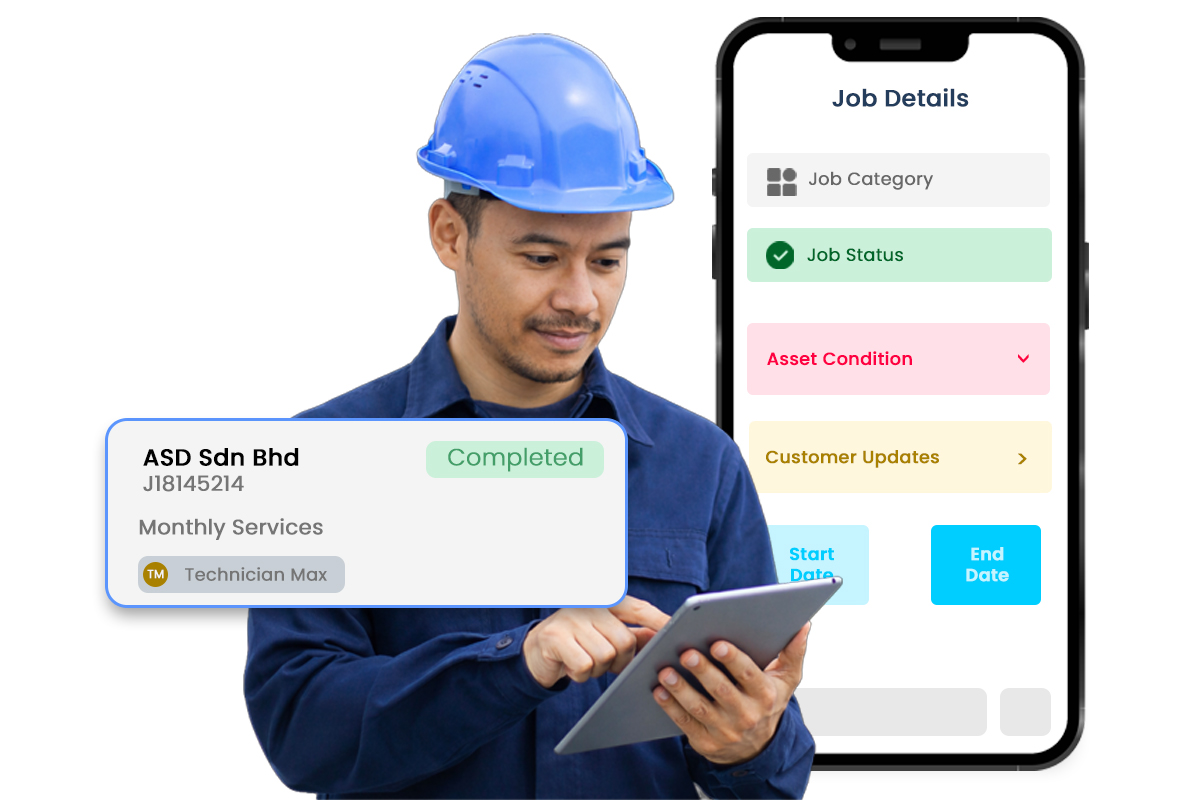
- Operations Management Software (OMS), such as Caction, automates workflows and integrates with cloud storage.
- Cybersecurity solutions including anti-viruses protect company data with encryption and multi-factor authentication.
- IT training to increase digital literacy, help them understand the new implementations and reduce your employees’ fear.
Here’s how Caction’s operations management software can help:
- It has automation and integration tools to optimise workflows.
- It supports customisable reporting to track progress and success.
- It provides live updates to help you be more prepared.
Step 4: Apply the changes in stages
Adopting digital technology can be as difficult as changing a bad habit. So, focus on one area at a time and avoid overhauling everything at once. Include a timeline for each phase and its main focuses.
Step 5: Monitor, get feedback and adapt
As you install new strategies, track the changes before and after the alteration. You can use a customisable platform to gather essential data as you go. After that, get input from your team to ensure you’ve addressed their concerns.
Should You Choose Digitalisation, Digital Transformation, or Both?
Both digitalisation and digital transformation can enhance business operations. The right approach depends on your business goals, the team’s expertise, and available resources.
If you need workflow automation and efficiency improvements, choose digitalisation. If you want a technology overhaul for competitive advantage, pick digital transformation. For a balanced, scalable digital adoption strategy, use both.
Remember, digital adoption is not a one-time effort, so keep refining your craft and ensure that you use the right tool.



Leave a Reply